what is canola seeds how to make canola oil
What is canola seeds? How to make canola oil
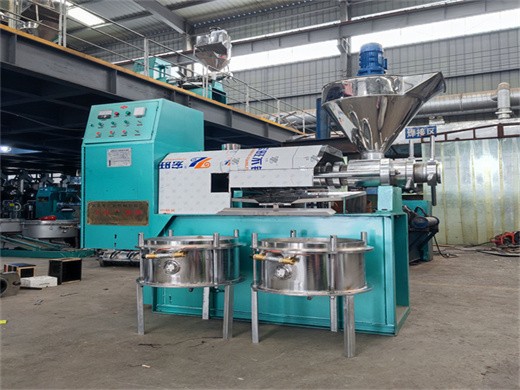
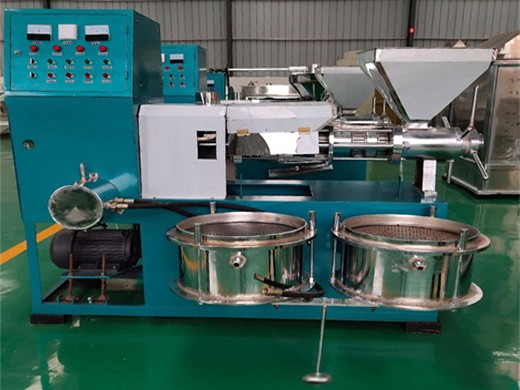
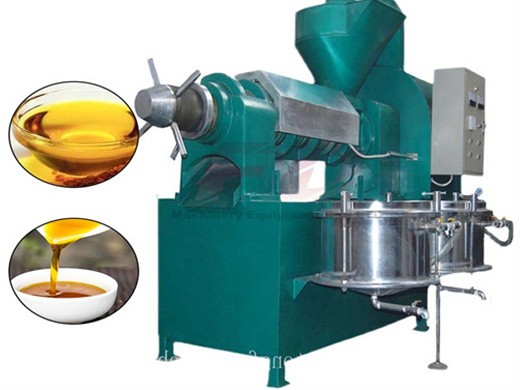
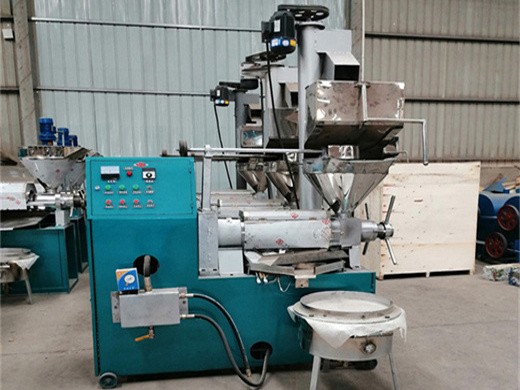
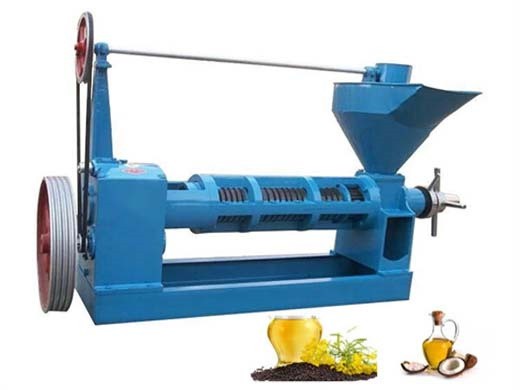
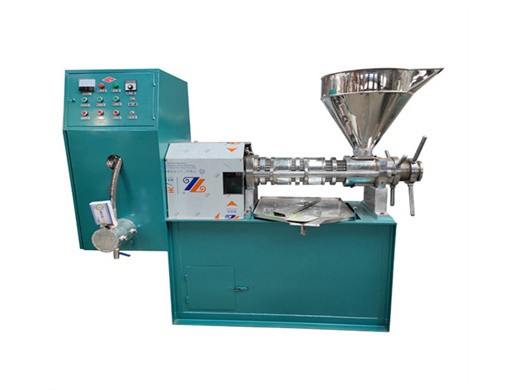
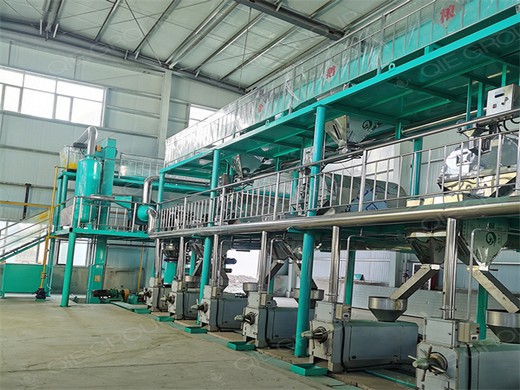
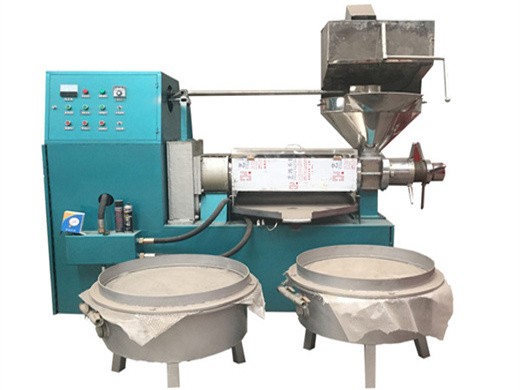
How to make canola seeds oil in factory? There are two methods of making canola oil: pressing method and solvent extraction method. Canola oil making process flow in factory The processing steps of pressing method
How to Make Canola Oil: A Comprehensive Guide Canola oil is a popular cooking oil known for its light flavor and high smoke point, making it ideal for frying, baking, and salad dressings. But
How Canola Oil is Made: From Seed to Shelf EatingChoice
Canola oil, a staple in many kitchens across the globe, is renowned for its light flavor, versatility, and health benefits. But have you ever wondered how this ubiquitous cooking oil is actually
Understanding Canola Oil Before diving into the steps on how to make canola oil, it's crucial to understand what canola oil is. Canola oil comes from the seeds of the canola plant, which is a type of rapeseed.
Our Everyday LifeHow to Make Canola Oil Our Everyday Life
Canola oil is produced from pressed canola seeds. This seed is harvested from pods, particularly in North America, with North Dakota accounting for 92 percent of U.S.
Learn how canola seed is processed in Canada, the most experienced nation for canola crushing and refining into oil and meal.
eatingmealsHow Canola is Made: From Seed to Oil on Your Table
Canola oil is a staple in kitchens around the world, celebrated for its versatility, health benefits, and neutral flavor. But have you ever stopped to consider how this widely used oil is actually
How is canola oil made? (Step-by-step breakdown from seed to oil) What is the best way to process canola oil? (Mechanical pressing vs. solvent extraction) Why is seed
compassionatehealthcareonlineHow it is made Canola oil. There are several processing
Canola may refer to an edible and industrial oil (also known as canola oil) produced from the seed of any of several cultivars of rapeseed bred to be low in erucic acid
Canola oil is a widely used vegetable oil, celebrated for its versatility in cooking and perceived health benefits. But what exactly is canola oil made of, and what’s the science behind it? This article delves into the chemical composition, origins, processing, and potential health implications of this popular oil.
pnwcanola.orgCanola Uses for Cooking A Healthy Alternative Pacific NW Canola
Canola uses are many including for cooking and baking at home, restaurants, and food processing plants. It's a versatile oil that can be used in baking, sauteing, frying, marinating, and salad dressings. Canola oil has non-food uses as well, such as biodiesel, renewable diesel, aquaculture, and bio-plastics. Canola meal, the part left over when the seeds are crushed and
As the canola plant matures, its yellow flowers develop into pods, containing tiny black seeds. Similar to other plant-based oils, canola oil is made by
U.S. Canola AssociationBiofuels U.S. Canola Association
Plus, canola seed yields about 45 percent oil when crushed compared to only 18 percent for soybeans, the most common biodiesel feedstock. As a
The canola seed is obtained from Brassica campestris and Brassica napus species. Seed should be well matured and contain less than 3.0% damaged seeds including not more than 2.0% distinctly green seeds and not more than 0.1 % heated seeds. In order to qualify as canola, the oil from the seed must contain less than 2.0% erucic acid and the oil-free meal contain less than
jaysciencetechHow Is Canola Oil Made? Science and Stuff
Canola oil’s journey from seed to bottle is a fascinating process that underscores the intersection of agriculture, science, and
Alternatively, oil can be extracted using a mechanical process with an expeller press. This method applies pressure to the crushed seeds to release the oil without the use of solvents, retaining more flavour and nutrients. The leftover seed material from both processes, known as canola meal, is used as a high-protein feed for livestock. Step 2: Refinement After extraction, the
pnwcanola.orgThe Canola Production Process (From Plant to Table)
Seeds are crushed to extract the oil (canola seed contains 35-45% oil), followed by several more processing steps to be ready for the consumer market as bottled canola oil.
Rapeseed (Brassica napus subsp. napus), also known as rape and oilseed rape and canola, is a bright-yellow flowering member of the family
WikifarmerYield, Harvest, and Storage of Canola
Learn how to maximize canola yield and oil quality with proper harvesting techniques, timing, and storage methods for long-term preservation
Yes, canola oil is indeed derived from the seeds of the canola plant. The term “canola” was created to distinguish it from rapeseed oil, which has a much higher level of erucic acid, a fatty acid considered undesirable for human consumption.