cargill develops non-gmo soybean oil press machine in Bangladesh
CargillCargill helps customers grow and protect their brands,
From dedicated producer programs to the industry’s broadest ingredient portfolio, Cargill is the right partner to help food and beverage manufacturers grow and protect their brands by
Cargill just announced its introduction of a soybean oil made from identity-preserved (IdP), conventionally-bred (non-GM) soybeans for “customers interested in exploring a non-GMO
gene edited soybean oil press touted as non gmo palm fruit
Cargill develops non-GMO soybean oil Cargill 2025-06-23· MINNEAPOLIS June 23, 2025 Cargill is introducing a soybean oil made from identity-preserved (IdP), conventionally-bred (non-GM)
Supplies of Cargill’s new oil are limited, and one food manufacturer already has purchased a significant portion of the available supply. According to Theis, producing an IdP
Organic ConsumersCargill Comes out with Non-GM Soybean Oil Organic
Cargill has launched a new vegetable oil that’s made from conventionally-bred soybeans. That’s right, oil that isn’t derived from genetically modified (GM) soybeans. Most of
You can count on Cargill to deliver the most reliable and scalable supply of organic and Non-GMO oils at the highest level of food safety and quality in the
CargillMeeting Non-GMO Demand Cargill
Non-GMO is one of the fastest growing claims in the U.S. food industry*. For over 15 years Cargill has worked with food and beverage manufacturers to help
Cargill is building a soybean processing facility to meet rising oilseed demand. Learn more about the company’s broader soybean supply chain.
bakenet.euCargill: develops non-GMO soybean oil bakenet.eu
Minneapolis / MN. (cg) Cargill Inc. is introducing a soybean oil made from identity-preserved (IdP), conventionally-bred (non-GM) soybeans for customers interested in exploring a non-GMO
Another noteworthy development is the introduction of cold pressing methods. Cold pressed soybean oil is produced without excessive heat, preserving more vitamins, antioxidants, and
CargillSmart soy protein solutions Cargill
Soy protein experts Cargill’s soy protein expertise helps customers optimize formulations while increasing speed-to-market. From design, through development to manufacturing, we are
Canola, soybean and linseed oils provide many advantages over mineral oils, including low volatile organic compound (VOC) content and low toxicity.
qfoilpressmachinethe difference between screw oil pressing machine and hydraulic oil
Expeller pressed oil is the next most commonly found, though the market percentage in relation to solvent expelled oils, is miniscule. It is most often seen with the non
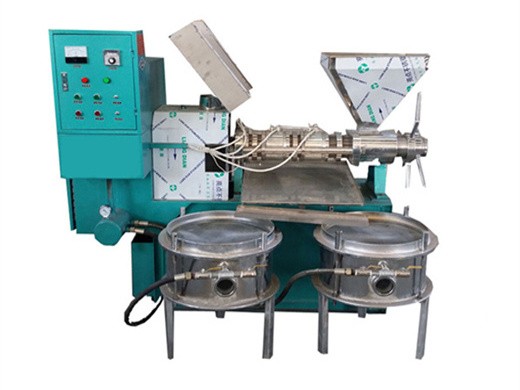
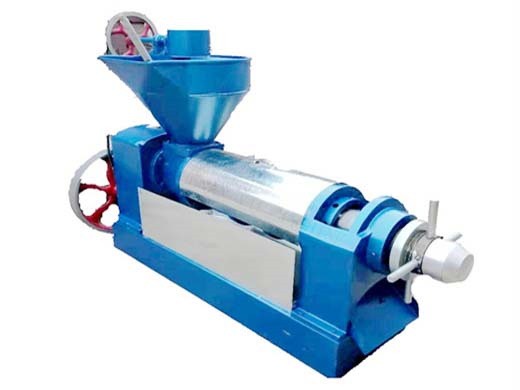
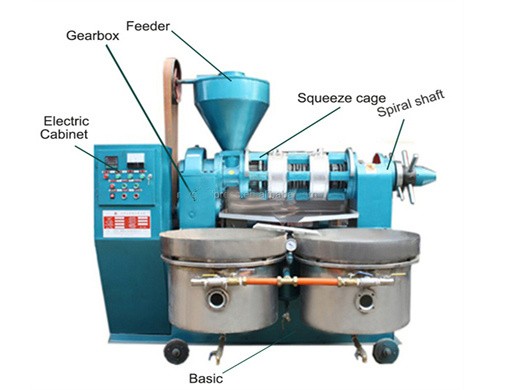
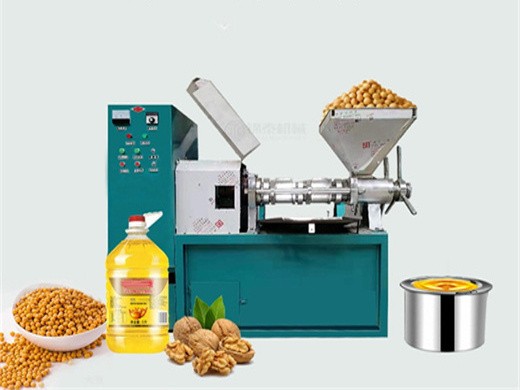
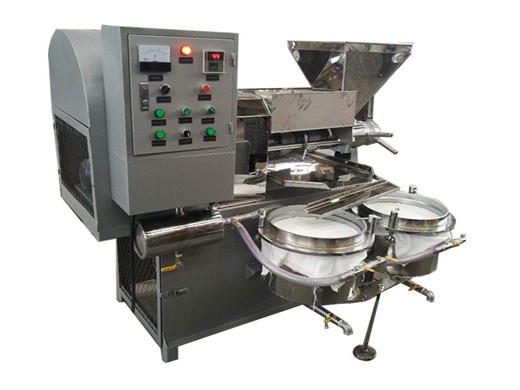
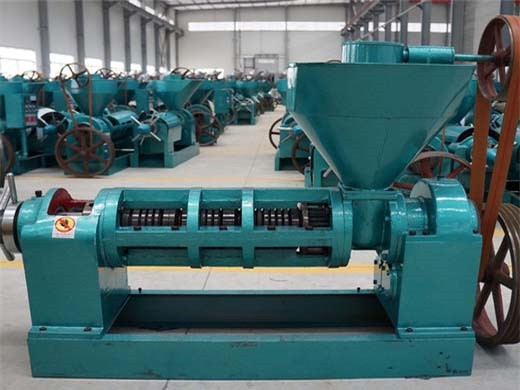
1.Soybean Oil Press Machine: Screw Press: Commonly used for cold and hot pressing, this machine uses pressure to extract oil. Screw presses are suitable for small to medium-scale
CargillAg2025OCT nonGMO sell sheet CargillAg
Earn a premium for non-GMO grain production The consumer appetite to know more about where their food comes from is driving demand for more transparent labelling and a desire for foods
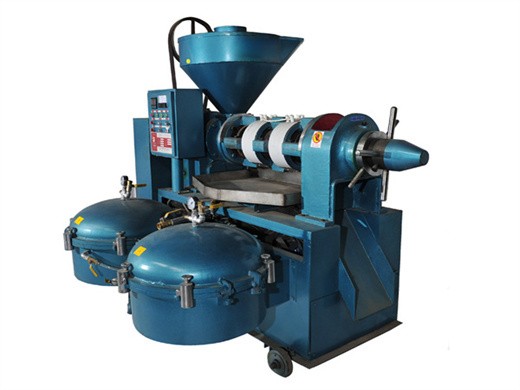
The 6yl-95 screw soybean oil press machine is an advanced soybean oil extraction machine that is highly efficient, easy to operate, and suitable for mobile oil processing and small oil production lines.
Revolutionizing the Oil Extraction Industry: The Efficiency of Soybean
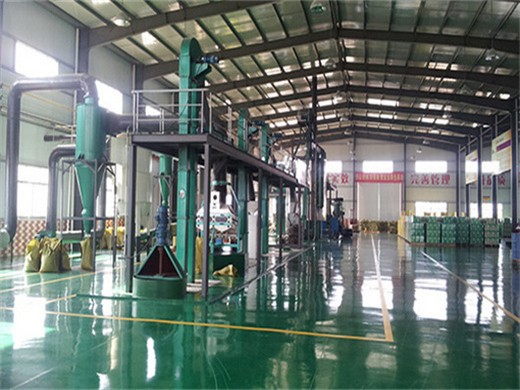
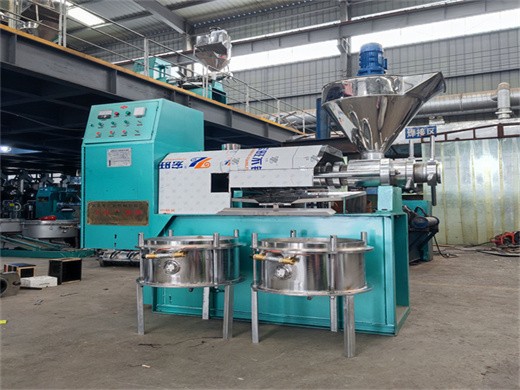
In an era of heightened efficiency and quality, soybean oil press machines are transforming the oil extraction industry by processing soybeans into high-quality oil suitable for cooking, food
In the realm of soybean oil production, one size does not fit all. Different production scales demand different types of soybean oil processing machines. Fortunately, there is a wide range
arizonaenergy.orgCargill Announces New Non-GMO Soybean Oil
Cargill just announced its introduction of a soybean oil made from identity-preserved (IdP), conventionally-bred (non-GM) soybeans for “customers interested in exploring a non-GMO
** Non-GMO there is no worldwide definition of the term “non-GMO.” The definition of “non-GMO” varies widely from country to country. Some countries have no regulatory definition of