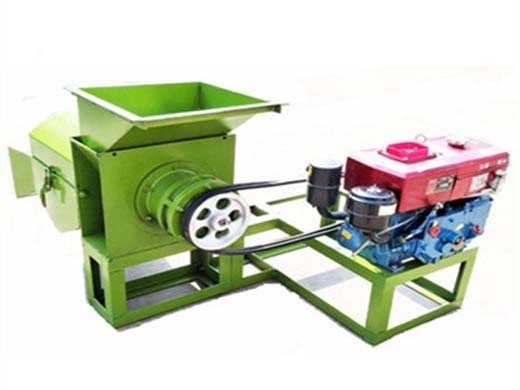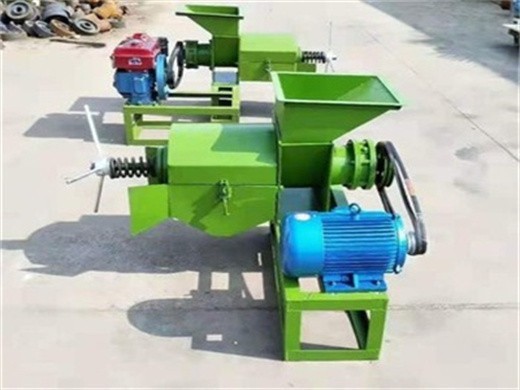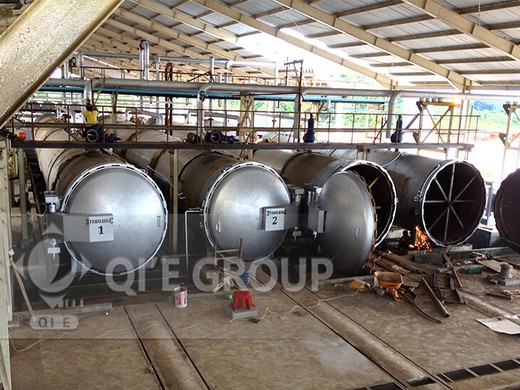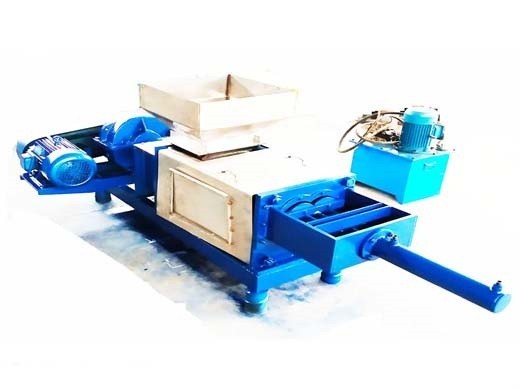
manufacture iso ce wide usage range palm fruit residue oil
sustainpalm.orgSustainable residue use SustainPalm
The objective of the topic ‘sustainable residue use’ is to increase use of palm oil mill- and field biomass residues, thereby adding value to products, create new
Oil palm plants are so productive, every part of it can be used such that nothing is wasted. Even the by-products of palm oil production and
ISCC GUIDANCE WASTE AND RESIDUES FROM PALM
1 Introduction This document provides definitions, process descriptions, and guidance for conducting ISCC audits of waste and residues that are generated by palm oil mills. The
From the background presented, seeing the great potential of palm oil waste as a source of nutrition for health and a source of raw materials in the pharmaceutical sector, this article aims
BioenergyPalm Oil Residues for Biogas Production IEA Bioenergy
Palm Oil Residues for Biogas Production Heinz Stichnothe Thünen Institute of Agricultural Technology, Bundesallee 50, 38116 Braunschweig, Germany
Palm oil and palm kernel oil are vegetable oils derived from palm fruit which are widely used by food manufacturers globally in an extensive range of products. Both are used by Fonterra as
unepccc.orgWaste from Palm Oil Global ESCO Network
Description of technology The palm oil industry produces large amounts of solid waste from empty fruit bunches (EFB), kernels and fibres, as well as liquid waste, normally referred to as POME
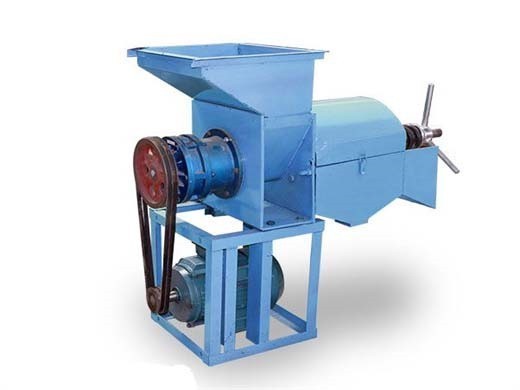
The online 1.5 mm Dw HSM Manufacture ISO CE low residue palm kernal oil press machine parts store gives you immediate access to 2.25 kN C0r a selection of Small Oil Pressing Machine
Palm Oil Industry Residues SpringerLink
Oil palm industry generates a large quantity of residues and wastes in the form of empty fruit bunch, palm kernel shells, trunk of the plant, fibre, leaves and others. When palm oil is
Malaysian palm oil industry generate huge amounts of palm solid residue (PSR) biomass such as empty fruit bunches (EFB), palm fiber, shell, trunks and fronds as byproducts which are capable to be taken into account in the energy mix of the country.
ISCC GUIDANCE WASTE AND RESIDUES FROM PALM
1 Introduction This document provides definitions, process descriptions, and guidance for conducting ISCC audits of waste and residues that are generated by palm oil mills. The Renewable Energy Directive (EU) 2025/200111 (in the following referred to as RED II) includes definitions of and specific incentives for the promotion of biofuels, bioliquids or biomass fuels
Palm kernel oil, which is approximately 1.8 percent of a palm fruit bundle, is the more valuable commodity and has a much paler colour than the pulp oil. Kernel oil gets refined and used in ice cream, chocolate, soap, cosmetics, etc.
Center EnamelPalm Oil Storage Tanks Center Enamel
Palm oil storage requires a tank that can withstand not only the physical weight and chemical properties of palm oil but also the challenging environmental conditions associated with palm oil production. Center Enamel’s Glass-Fused-to-Steel tanks are the ultimate solution, thanks to their exceptional durability and corrosion resistance. The Glass-Fused-to-Steel lining provides a
Palm oil produces two types of oil: crude palm oil (CPO) and palm kernel oil (PKO) . Palm oil is one of the most consumed oils in the world. This cheap and easy to produce oil is used for a wide variety of foods, cosmetics, cleaning agents, and others. Malaysia and Indonesia are the largest producers of palm kernel oil, while the Philippines and Indonesia are the largest producers of
Advances in supported monometallic and bimetallic catalysts
This article aims to highlight the use of heterogeneous bimetallic acid/base catalysts for the production of SAFs from environmentally friendly and non-edible palm kernel oil.
The advances in industrial technology have led to a major rise in the amount and forms of residue, especially during the processing of
Palm oil extraction machineWhat are the wastes from palm oil processing?
During the palm oil processing process, several wastes from palm oil processing are produced, which can be categorized as follows: empty palm
Palm oil Palm oil is an edible vegetable oil derived from the mesocarp (reddish pulp) of the fruit of oil palms. The oil is used in food manufacturing, in
Sustainable utilization of oil palm residues and waste
Nigeria's pathway to a sustainable oil palm industry, addressing electricity crises, fossil fuel dependency, waste management, and fostering sustainable cities, involves converting waste to wealth via integrated algal/oil palm residue biorefineries.
This paper carried out a comparative review on the current trends in the conversion of palm oil waste into value-adding products by the Cameroonian and Malaysian palm sectors/researchers. Trends like composting, composite, pulping, mushroom cultivation, pyrolysis, aerobic and anaerobic digestion of palm biomass were studied as means to reduce the bulk,