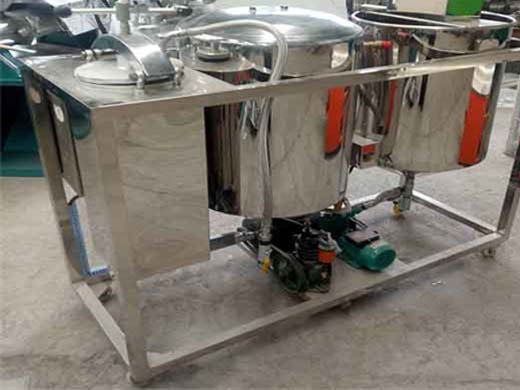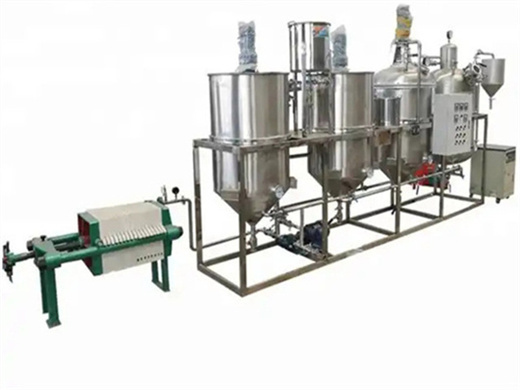
microbial oil refining machinery
Microbial Oil Refining Machine Oil Refining
Microbial oil (single cell oil) is obtained from microbes with high dry cell-based oil up to 70% such as bacteria, mold, yeasts and algae, which is a Triglyceride
Processing Capacity: 1-500T/D Application Range: Microbial Oil It is also called single cell oil (SCO for short).Microbe,such as yeast, mycete, bacterium, alga, produces oil and fat, with
Microbial Oil Refining Machinery
The refining process of microbial oil is the same with edible vegetable oil, mainly includes the hydration degumming, alkali refining, bleaching and deodorization, etc.
MEOR processes involve the injection of indigenous or suitable exogenous microorganisms (mainly bacteria) together with nutrients into the oil reservoir
Microbial Oil Refining Machine Manufacturer
Product Description of Microbial Oil Refining Machine : This series of Microbial Oil Refining Machine are an excellent model of palm oil making machine through numerous experiments
This oil refining machine is consists of refining tank, vacuum dehydration tank, decoloring tank, vacuum pump, oil pump, alkali mixing tank, measurement
Indonesia microbial oil refining machinery
The average of crude oil entering the Indonesian refineries from 2007 2025 was less than 1 million BPD. On primary fuel production, Ron-88 (subsidized fuel) still dominates refinery
Edible oil refining contains vegetable oil refining, animal oil refining, microbial oil refining. The crude oil refining production line can remove impurity of oil and
500KG/D Small Oil Refinery Machine Price--BTMA
Small Oil Refinery for Clean, Clear Edible Oil. The TG-250 Oil Refinery Machine is a compact refining unit designed to remove gum, acid, color, and moisture
The document summarizes the basic processing of fats and oils. It discusses the key steps which include mechanical pre-treatment of oilseeds like cleaning, dehulling, size reduction and cooking. It then covers the mechanical and
pilsunTypes of mechanical equipment in refinery units
Refineries are complex assemblies where crude oil undergoes various processes to be transformed into marketable petroleum products like gasoline, diesel, kerosene, and more. This transformation process relies
Refining We can provide edible oil refining plant equipment with capacity ranging from 50 t/d to 4,000 t/d for soybean oil, rapeseed oil, sunflower seed oil, cottonseed oil, rice bran oil, palm oil, corn oil, peanut oil, linseed oil, animal
Microbial enhanced oil recovery: process perspectives,
The depletion of crude oil resources, coupled with increasing energy demands, underscores the urgency for innovative recovery strategies. Despite traditional oil recovery
The purified crude oil ensures smoother refining operations, reduces wear and tear on equipment, and improves the overall efficiency of the refining process. Moreover, the development of advanced crude oil purification technologies
OnePetroMicrobial enhanced oil recovery OnePetro
The use of microorganisms for the extraction of oil from reservoirs was first suggested in1926 . This makes it one of the oldest enhanced recovery methods,
BACKGROUND: Microbial oils, often termed single cell oils (SCOs), offer an alternative to terrestrial oil crops across the energy, food, and chemical industries. In addition to oils, a
peiyangchemOil Refinery Process Units, Refinery Equipment List
PCC's oil refinery usually consists of processing units like CDU, VDU, NHT, DHT, SRR, FCC, SRU, and Isomerization unit etc.
Discover 17 oil refinery types like Topping, Hydroskimming, Conversion Refineries, etc. based on 6 classes. Their applications, and benefits in in-depth guide.
DomBor ValveRefinery Equipment: Things You Need To Know
A refinery is an industrial plant made up of several equipment required in transforming petroleum (crude oil) into several usable petroleum by-products. Before this process can be carried out, petroleum/natural gasses in
The depletion of oil resources, increasing global energy demand, the current low, yet unpredictable, price of oil, and increasing maturity of major oil fields has driven the need for the development of oil recovery technologies that are less