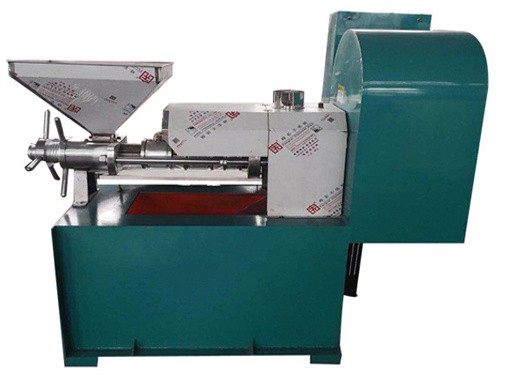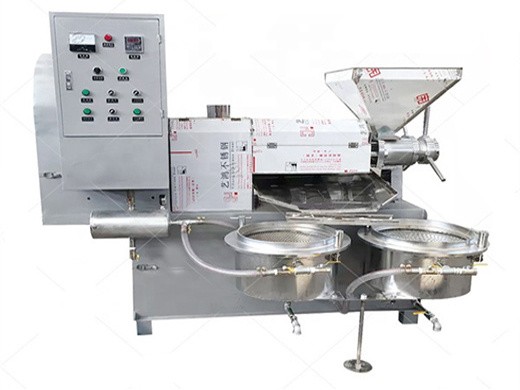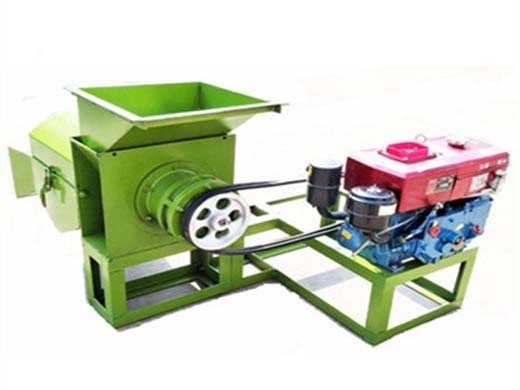
pre-processing effects on cold pressed rapeseed oil in Ethiopia
ExalyPre‒processing effects on cold pressed rapeseed oil
Preâ€processing effects on cold pressed rapeseed oil compounds European Journal of Lipid Science and Technology 119, 1600357 DOI: 10.1002/ejlt.202500357
Cold pressing is frequently used to produce high-quality vegetable oils, especially from seeds with high oil content, such as rapeseeds. But, it encounters a challenge from the
Pre-processing Effects on Cold Pressed Rapeseed Oil
This study shows how pre-processing techniques can increase the attributes of cold pressed rapeseed oil in relation to antioxidant activity and phenolic acids.
This study exposed high-oleic rapeseed oil (HORO) to different pretreatment (microwave or roasting) and processing methods to investigate (cold pressing, hexane extraction, subcritical butane extraction, and aqueous enzymatic
Cold-pressed rapeseed (Brassica napus) oil: Chemistry
Rapeseed oil is the second most abundant produced edible oil in the world with low erucic acid and low glucosinolate. Thus, the quality of rapeseed oil had attracted global attention.
In the current study, the volatile compounds in cold-pressed rapeseeds oil obtained from peeled seeds with those in rapeseed oils obtained from seeds prepared with various pre-treatment methods are compared. The obtained
The Effects of Oil Extraction Methods on Recovery
For hot-pressed rapeseed oil production, there are several additional process steps after the pressing and solvent treatment to refine the oil and prolong the shelf life .
The thermal pre-processing techniques also significantly altered the volatile composition of the roasted and microwaved groups. Cultivar had little impact on the variation regarding oil volatiles
Cold pressed rapeseed (Brassica napus) oil ScienceDirect
Rapeseed is the second main oilseed crop in the production of edible oils after soybean oil in the world. There has been increasing interest in cold pressed rapeseed oil due
PDF On Dec 1, 2025, Büşra Çakaloğlu and others published Cold press in oil extraction. A review Find, read and cite all the research you need on ResearchGate
Processing of rapeseed oil: effects on sinapic acid
May 10, 2003Rapeseed oil is usually expelled from the seed at high temperatures. Refining removes most of the non-triacylglycerol components, including many sinapic acid derivatives
Discover advanced rapeseed dehulling and cold-pressing technology that preserves nutrients and flavor. Learn how low-temperature mechanical extraction replaces
Impact of Processing on Antioxidant Rich Foods PMC
The results demonstrated that cold-pressed high oleic rapeseed oil was more stable during deep frying compared with cold pressed rapeseed oil, but much less stable than palm olein.
Download Table Quality parameters of rapeseed oils produced by cold pressing or pressing after roasting seeds from publication: Effects of different roasting conditions on the nutritional value
National Center for Biotechnology InformationSeed-Roasting Process Affects Oxidative Stability of Cold-Pressed
This paper reports on the effects of the process of roasting oil seeds, prior to pressing them, on the basic characteristics of the oils produced and their oxidative stability.
Traditional production of the crude rapeseed oil is based on seeds crushing, cleaning, flaking, conditioning, mechanical pressing and extrusion followed by solvent
Rapeseed Oil an overview ScienceDirect Topics
It could be obtained 36.5–40.6% of protein isolation yield from cold-pressed rapeseed meal, which is higher than the pre-pressed rapeseed meal. This result shows the cold-pressing helped to
In this review, the studies which are working on the optimization of the oil extraction with the cold press and the parameters affecting the oil quality and efficiency, and the studies that have
MDPIApplication of Microorganisms for the Valorization of Side
The increasing demand for sustainable agriculture and environmental protection has prompted the exploration of innovative methods to valorize byproducts from rapeseed oil
The main methods used for the extraction of rapeseed oil include cold pressing, hot pressing, and solvent extraction.