production of pumpkin for oil
styriangold.caProduction technology and characteristics of Styrian
This mutation facilitated the production of Styrian pumpkin seed oil that became a regional specialty oil in the south-eastern part of Europe during the last few decades. We describe in
Production of oil pumpkin is reviewed by three methods: direct field seeding of dry seed, direct fieldSeeding of pre-germinated seed, and the use of transplants grown in plugs. Greb. The
A sustainable approach in pumpkin seed oil processing line:
Abstract Pumpkin seed oil (PSO) has gained popularity worldwide for its nutritional profile and biological effects, significantly increasing its market demand and consumption. However,
In this paper we review production of oil pumpkin by three methods: direct field seedingof dry seed, direct field seeding of pre-germinated seed, and the use of transplants grown in plugs.
Changes in chemical composition of pumpkin seeds during
Feb 1, 2004Pumpkin (Cucurbita pepo L.) seed oil is a special product of the southern Austrian region. For the production of the oil, prior to the pressing procedure, the seeds are roasted at
In the quest for alternative oils for biodiesel production, pumpkin seed oil has emerged as a promising option . Cucurbits as biofuel raw material possess high biomass content and contain oils appropriate
EurekaMagProduction of pumpkin for oil EurekaMag
Summary The effects of direct field sowing of dry seeds, direct field sowing of pregerminated seeds and the use of transplants on the oil production of pumpkin were determined in a field
The North American species of pumpkin used for oil has entered the scene as a healthy, sustainable oil crop, and one that grows well in many temperate climates. Native American
foAn Overview of the Oil Pumpkin Cucurbit
Jul 16, 2000Other countries are beginning to show an interest in the cultivation of oil pumpkin, including Canada, France, China, New Zealand, and Australia. Improvement in the economics
Pumpkin seed oil is delicious, but be warned that the hull-less varieties I've come across are extremely average in the seed-department and you'd need a massive amount to get much oil.
Pumpkin and Pumpkin By-Products: A
Abstract A versatile and popular Cucurbitaceous vegetable, pumpkin has recently gained much attention because of its variety of phytochemicals and health advantages. Pumpkins are a type of winter squash, traditionally
Flour from oil cake of cold pressed oil from the seed of Styrian oil pumpkin is a product of powder composition, greenish colour and pleasant aroma with smell to pumpkin seed. Product
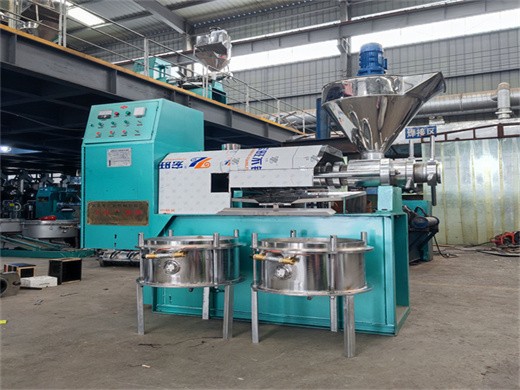
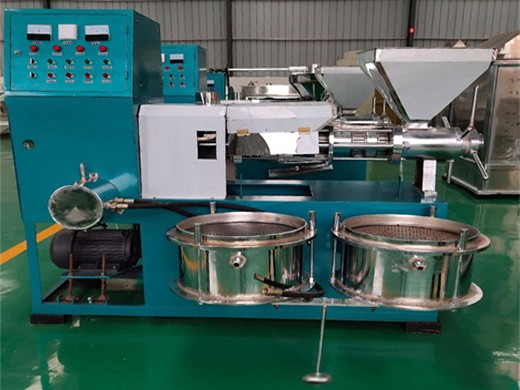
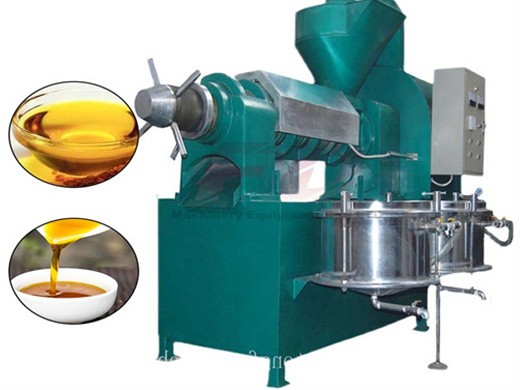
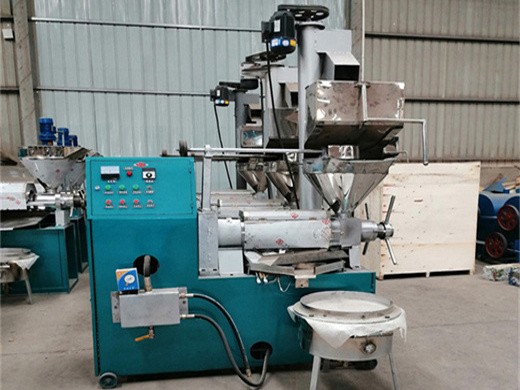
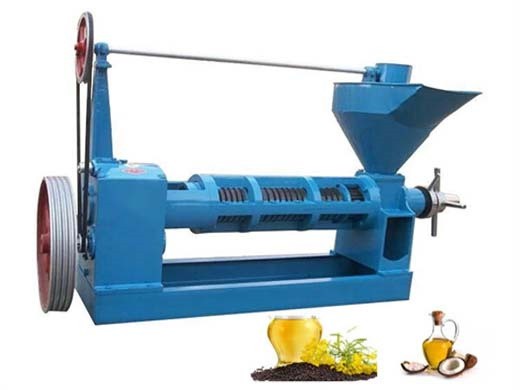
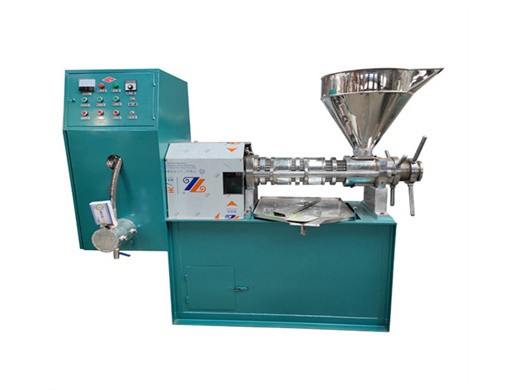
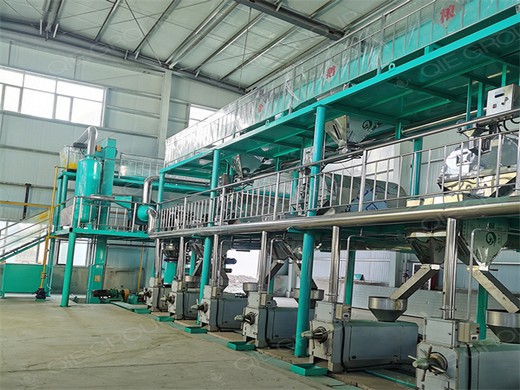
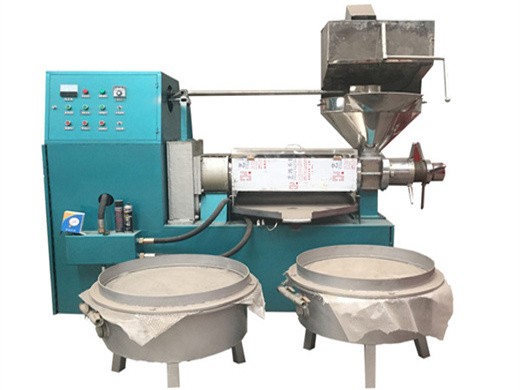
Pumpkin Seed Oil Extraction Machine
Pumpkin seed oil is a nutritious, plant-based oil extracted from the seeds of pumpkins. Known for its rich nutritional profile, including high levels of antioxidants, omega-3
Feb 1, 2004Request PDF Changes in chemical composition of pumpkin seeds during the roasting process for production of pumpkin seed oil (Part 1: Non-volatile compounds)
Національний університет харчових технологійApplication of enzymes for press oil production
Application of enzymes for press oil production from pumpkin seeds Hanna Vovk1, Kwankao Karnpakdee2, Olga Golubets3, Iryna Levchuk3, Roland Ludwig2, Tamara Nosenko1
The quality of pumpkin seed oil depends mainly on the quality of the pumpkin seeds used. The finer the quality of pumpkin seeds, the more exquisite the pumpkin seed oil produced. We at GEA are well aware of
frintonfarmsBuy Premium Pumpkin Seed Oil & Seeds
Taste the rich flavor of Frinton Farms' pumpkin seed oil and crunchy roasted seeds. Perfect for enhancing dishes or a tasty snack—shop now.
Pumpkin seeds are cultivated for consumption as a whole food, for the purpose of extracting oil, or for the manufacturing of nutraceuticals. The production of PSO accounts for 4.90% of the
Pumpkin Farming in Kenya 2025 Safi Sarvi Organic Fertilizer
Production: Pumpkin oil is extracted from roasted pumpkin seeds through cold pressing. Uses: It is used as a culinary oil, in salad dressings, and as a health supplement.
The Styrian oil pumpkin is of relatively recent origin. Its crucial mutation, resulting in distinctive dark green seeds, was first recorded between 1870 and 1880. This accidental natural mutation