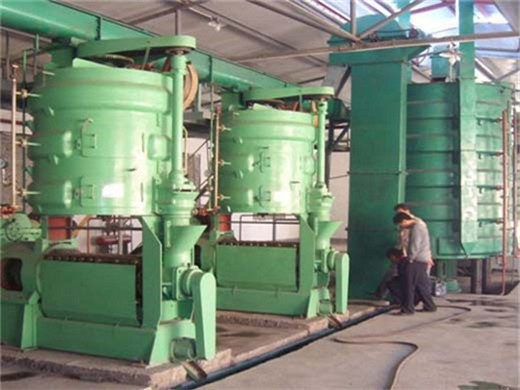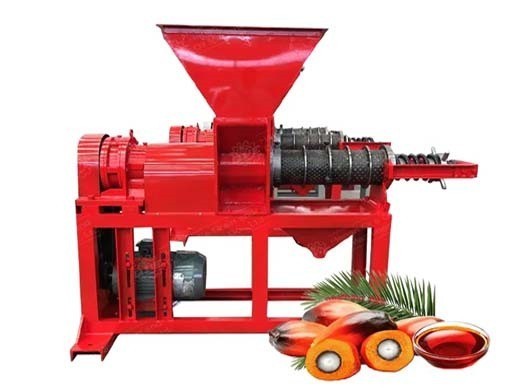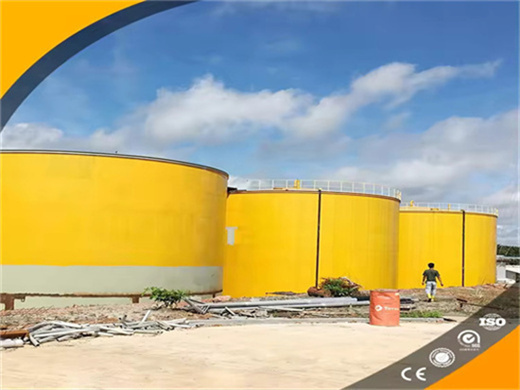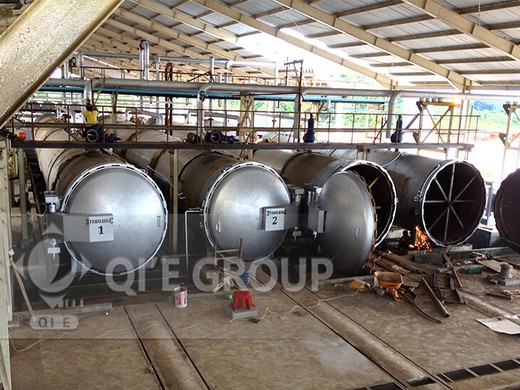
usually there are many palm oil mills after
AgImpactsPalm Oil Report AgImpacts
Here there is a direct relationship: producers who have higher GHG emissions also have higher acidification potentials and higher eutrophication potentials (Figure 2.2). The relationships indicate that the various
Palm oil stands as one of the most widely used vegetable oils globally, finding its way into nearly half of the products lining supermarket shelves today. Derived from the fruitlet of oil palm after harvesting, this oil
GreenFactsPalm Oil: 1. 1. How is palm oil produced and what is its
This page will guide you through the journey of palm oil, highlighting the key steps from the mill to the refinery and fractionation. Where does palm oil come from? Palm oil primarily comes from
The Universal Mill List (UML) is a collection of palm oil mill locations across the world based on data contributed from processors, traders and consumer goods
Putra Agro Group News Palm Oil Mill
Figure 1. Fresh fruit bunches waiting for processing at palm oil mill. A palm oil mill produces crude palm oil and kernels as primary products and biomass as secondary product. The capacity of mills varies between
3. PALM OIL PROCESSING 3. 1 General processing description Research and development work in many disciplines biochemistry, chemical and mechanical engineering and the establishment of plantations, which
usually there are many palm oil mills after in Lusaka
During the production of crude palm oil, a liquid by-product called palm-oil mill effluent (POME) is generated. POME is regarded as a contributor to global climate change because biogas,
Refined Palm Oil Mill (Downstream production): The final stage of the industry supply chain is comprised of palm oil refineries, of which there are 21 in Thailand. The OIE reports that these
Khong Jun Yong on LinkedIn: Palm oil mills are usually
Palm oil mills are usually located in rural areas far from cities or towns, and every place has its unique local culture.
Oil palms are trees that are optimally productive for about 25 years, after which they are typically replanted. The emissions from palm oil come primarily from the change in
Ripening, Harvesting, and Transport of Oil Palm Bunches
Jan 1, 2025Loose fruits are usually collected and combined with the cut bunches for delivery to the mill where palm oil and palm kernels are extracted. Collecting the loose fruits is important
Jan 1, 2025The African oil palm (Elaeis guineensis Jacq.) has been utilized by mankind as a source of oil and other products for thousands of years. In the last 50 years or so there has
PALMOILISBenefits of Using Near Infrared Analysis in Palm
The palm oil industry is an important pillar of the economy in some ASEAN countries, with huge acreage devoted to the planting of this high oil yielding crop. The total acreage under palm oil
Abstract The characteristics of Palm Oil Mill Effluent (POME) is a crucial factor affecting the yield and quality of biogas produced from anaerobic digestion. Hence, it is
Applied Agricultural ResourcesFERTILISER MANAGEMENT IN OIL PALM AGRONOMIC
This has increased the production cost of oil palm by as much as 13 %. 1.5) One of the best means to reduce production cost is to sustain maximum yield at any one site. The maximum
Figure 1. Fresh fruit bunches waiting for processing at palm oil mill. A palm oil mill produces crude palm oil and kernels as primary products and biomass as secondary product. The capacity of mills varies between
Palm and Palm Kernel Oil Production and Processing in Malaysia
Jan 1, 2025The whole oil palm value chain covers the growing and production of FFB in plantations, extracting CPO and palm kernel and PKO in palm oil mills and kernel crushing
3 methane recovery and utilisation projects at: Jendarata palm oil mill, Ulu Basir palm oil mill and UIE palm oil mill: A significant contribution to global warming from palm oil production is the
GreenFactsPalm Oil: 1. 1. How is palm oil produced and what is its
Industrial plantations, usually managed by a company, they have their own mill, and cover thousands of hectares; Medium-sized operations, 25-1000 hectares, without company status;
Despite its many beneficial qualities, there are a few negative aspects associated with the production of palm oil. Nongovernmental organizations (NGOs) point to deforestation